



Beat the Scroll: 12 Offline Hobbies That Actually Fit Into Real Life
Difficulty: Novice to Moderate
Time: 10-60 minutes per project
Cost: $0-$15 to start
Why You'll Like This
Stuck in the endless scroll again? You reach for your phone, meaning to check one thing, and suddenly, three hours have vanished into the digital ether. The good news: there's a simple fix that doesn't require deleting apps or going full digital detox. Instead of fighting the urge to scroll, redirect that restless energy into something your hands can actually create.
Crafting, for instance, can significantly boost overall well-being, making offline hobbies more than just a distraction—they're a genuine upgrade for your mental health. Plus, activities that draw us away from the doomscroll and instead have us crafting, reading and solving puzzles are increasing in popularity, with searches for "analog hobbies" rising.
What You'll Need
Basic Supply Kit (Under $15)
Colored pencils or basic watercolor set
White paper (cut to postcard size)
Air-dry clay (1-2 lb package)
Yarn or embroidery floss
Basic kitchen ingredients (flour, eggs, salt)
Tools
Scissors
Rolling pin (or clean bottle)
Timer
Small containers for water
Safety First
Ventilation: Use non-toxic art supplies and work in well-ventilated areas
Food Safety: Wash hands before kitchen projects; follow safe cooking temperatures
Sharp Tools: Keep scissors and cutting tools away from work surface edges
Adult Supervision: Required for children using any heated materials or sharp tools
Quick-start crafts that beat the scroll
Ready to dive in without a big commitment? These beginner-friendly projects get your hands busy in under 15 minutes. Micro-hobbies are tiny creative wins that fit in your pocket and restore what scrolling steals, with setup taking less than 60 seconds.
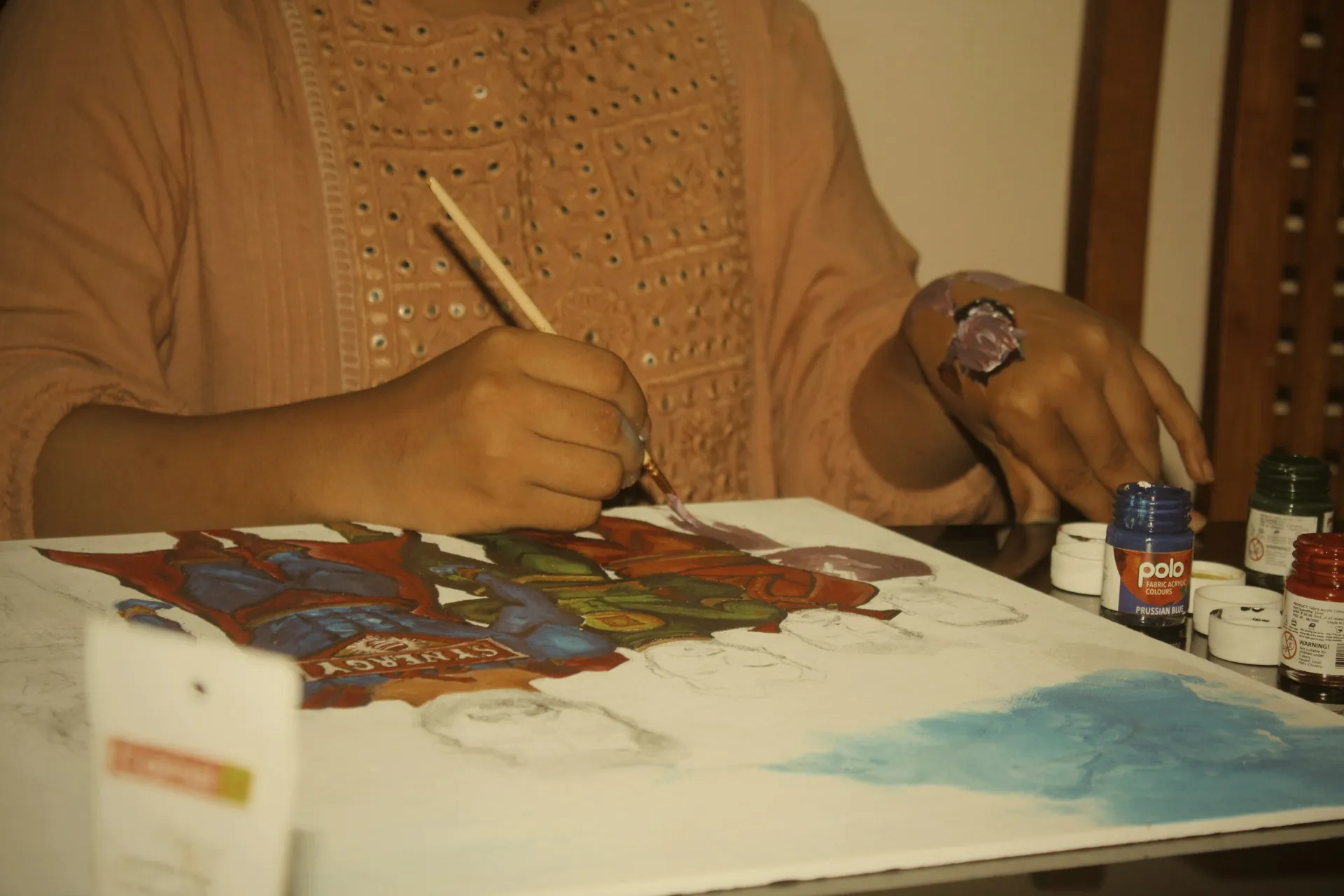
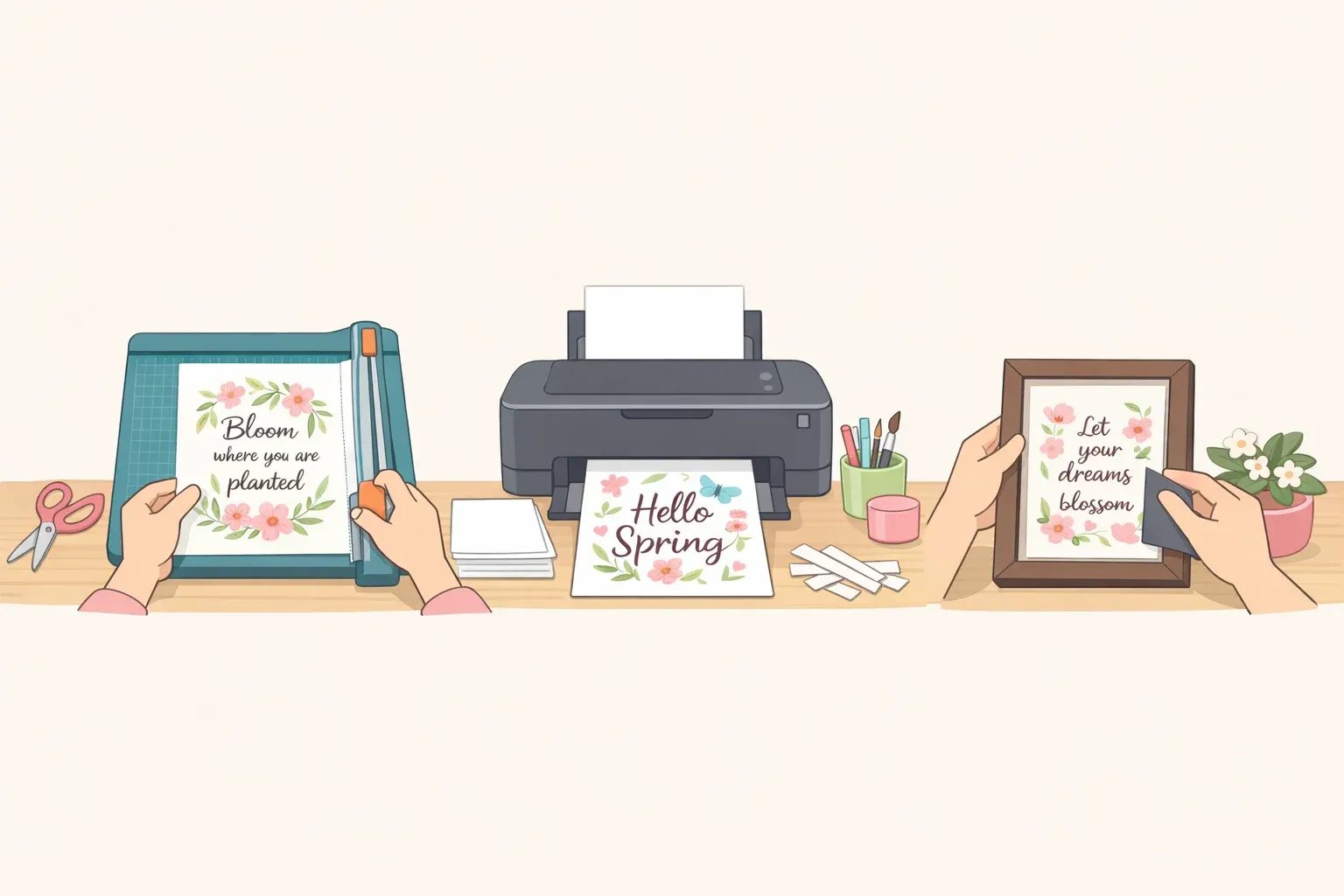
Watercolor postcards give you instant gratification. Grab a basic watercolor set (around $8 at most stores) and cut paper into postcard-sized pieces. The simplest micro-hobby to start is a 10-minute painting break requiring just a hand-sized space, a timer, and minimal supplies like a water brush and postcard-size paper. Paint abstract color blocks, quick landscapes, or whatever's in front of you—no artistic experience required.
Tip: Keep your setup simple. One small container of water, three colors maximum, and set a timer for 10 minutes. When it goes off, you're done whether you feel "finished" or not.
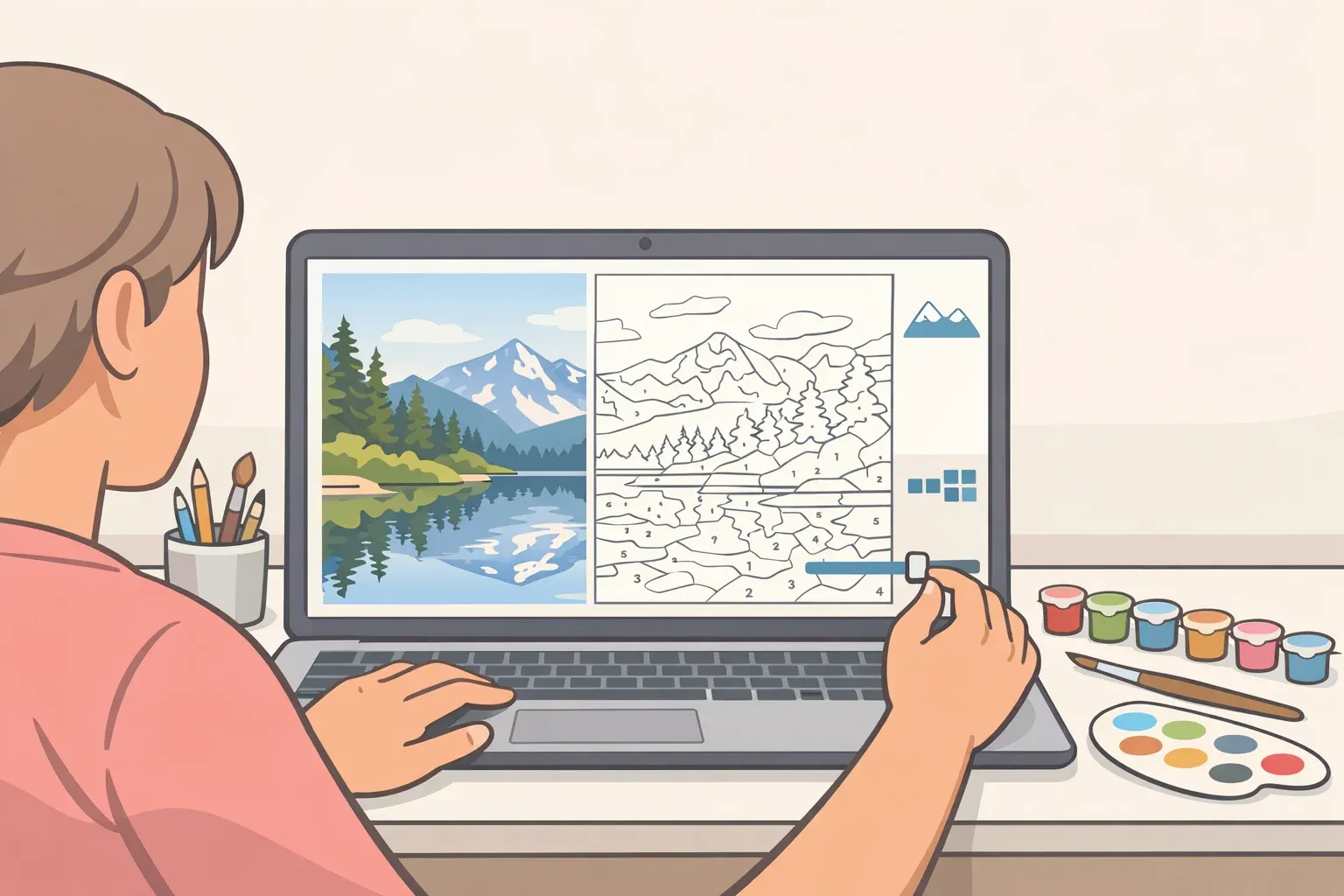
Adult coloring books aren't just trendy. They work. Just ten minutes of regular mindful coloring—at least three times a week for two weeks—can reduce stress, anxiety, and feelings of low mood, alongside improving quality of life. Pick up a book with geometric patterns or nature scenes and keep colored pencils within arm's reach of your usual scrolling spot.
Air-dry clay projects have become viral for good reason. Air-dry clay trays and trinket dishes have become one of the most viral DIY projects because they're simple, low-commitment and look surprisingly polished once finished. Roll out clay, shape it into a small dish or tray, let it dry overnight, then paint if you want. Perfect for holding keys, jewelry, or desk supplies.
Storage Tip: Keep your clay sealed in a plastic bag between uses. If it starts to dry out, add a few drops of water and knead until pliable again.
Needle crafts that calm your mind
Repetitive motions with your hands create a meditative state that's the opposite of frantic scrolling. Knitting isn't just a relaxing craft, but it's also a stealthy productivity booster, and repetitive tasks like knitting and needlepoint can become meditative and soothing.
Finger knitting requires zero needles. Just yarn and your hands. Look up a 5-minute tutorial online, then create long chains you can turn into coasters, trivets, or decorative garlands. It's portable, mistake-friendly, and gives your fingers something to do during TV time.
Progress Tip: Start with thick yarn (worsted weight or bulkier) in light colors. It's easier to see your stitches and feels more substantial as you work.
Simple cross-stitch starts with pre-made kits that include everything you need. Cross stitching is a beginner-friendly needle craft that allows creating pieces that align with any interest. Start with small designs like bookmarks or ornaments. They take 2-3 hours total but can be worked on in 15-minute chunks.
Beginner Strategy: Choose kits with 14-count fabric (larger holes, easier to see) and simple designs with 5-6 colors maximum. Count twice, stitch once. It saves time in the long run.
Friendship bracelets aren't just for kids. Use embroidery floss to create simple braided or knotted patterns. They're perfect for fidgety hands and make thoughtful gifts. Plus, you can work on them while listening to podcasts or music.
Ergonomic Note: Take breaks every 20-30 minutes to stretch your hands and shoulders. Poor posture during needle crafts can cause strain.
Kitchen creativity that feeds you twice
Cooking and baking engage all your senses while creating something genuinely useful. Time in the kitchen can strengthen executive function beyond cooking, since putting a meal together requires planning, timing, and creativity all at once.
Bread baking gives you the ultimate hands-on experience. Start with a simple no-knead recipe that mostly handles itself. The kneading process is naturally meditative, and cooking from scratch with fresh ingredients builds awareness and appreciation for food. Plus, your house smells amazing.
Timing Guide: No-knead bread requires about 18 hours total time, but only 5 minutes of actual work. Mix ingredients, let rise 12-18 hours, shape, rise 2 hours, bake 45 minutes.
Homemade pasta requires just flour, eggs, and your hands. Roll out dough, cut into shapes, then cook immediately or let dry for later. It's surprisingly forgiving and way more satisfying than opening a box.
Beginner Recipe: Start with 1 cup flour to 1 large egg ratio. If the dough is too sticky, add flour; if too dry, add water one teaspoon at a time.
Fermentation projects like homemade pickles or kombucha connect you to traditional food preservation methods. Start simple with quick-pickled vegetables: slice cucumbers or radishes, make a basic brine, and wait a few days. The process teaches patience while creating something delicious.
Safety Note: Always use proper ratios for pickling (typically 1:1 water to vinegar) and sterilize jars with boiling water. When in doubt, refrigerate and consume within a week.
Paper and writing projects for quiet focus
Sometimes the best antidote to digital overwhelm is the simplest: pen and paper. Writing letters adds intention and depth that modern messaging often lacks, and pen pal culture is set to make a significant return, with letter writing emerging as a nostalgic, analog alternative to digital messaging.
Collage journaling combines creativity with reflection. Collage journaling and scrapbooks involve building pages using paper offcuts, magazine clippings, photographs, and handwritten notes, layered with glue or tape to create visual spreads over time. Collect interesting images from magazines, ticket stubs, or printed photos, then arrange them with written thoughts or quotes.
Getting Started: Choose a blank notebook with thick paper (at least 140gsm) to handle glue and layering. Start with one page per week, as this means less pressure and is more sustainable.
Letter writing to friends or family slows down communication in the best way. According to Pinterest, there's a growing interest in decorative envelopes, curated stationery, and personalised snail-mail exchanges. Use nice paper, take time with your handwriting, and maybe add small sketches or pressed flowers.
Practical Tip: Buy stamps in advance and keep them with your stationery. The biggest barrier to letter writing is often not having stamps when inspiration strikes.
Origami transforms any piece of paper into something beautiful. Start with classic cranes or flowers, then work up to more complex designs. It's portable, uses minimal materials, and the folding process requires complete focus, so there's no room for digital distractions.
Skill Progression: Master 3-4 simple models before moving to intermediate designs. Practice makes perfect, and muscle memory develops faster with repetition.
Troubleshooting
Problem: Projects feel overwhelming or take too long → Fix: Set a timer for 15 minutes and stop when it rings, regardless of completion status
Problem: Materials are expensive → Fix: Start with household items—use regular paper instead of art paper, kitchen flour for clay alternatives, old magazines for collage materials
Problem: No space for supplies → Fix: Create a small "analog bag" with portable projects that fit in a tote bag or drawer
Where do you go from here?
The best offline hobby is the one you'll actually do consistently. After a week of practicing micro-hobbies, evenings feel calmer, sleep improves, and mental chatter decreases, and engaging in a hobby you find fun will give a major hit of dopamine.
Start by picking one project that uses supplies you already have or can grab for under $15. Set up your materials in the same spot where you usually reach for your phone—make the hobby easier to start than scrolling. Creating a 'no phone zone' and making time for your hobby can increase your success in building new, positive habits.
Implementation Strategy: Choose your easiest option first. If you hate the idea of getting clay under your fingernails, start with coloring books. If you're intimidated by watercolors, begin with friendship bracelets. Success builds momentum better than perfection.
Remember: you're not trying to become a master craftsperson overnight. You're simply giving your hands something better to do than endless scrolling. Early, achievable wins lead to a sense of achievement and keep you motivated. Pick one, start small, and watch how 15 minutes of creating beats hours of consuming every single time.




Comments
Be the first, drop a comment!