



Reviewed by: Y. Garcia
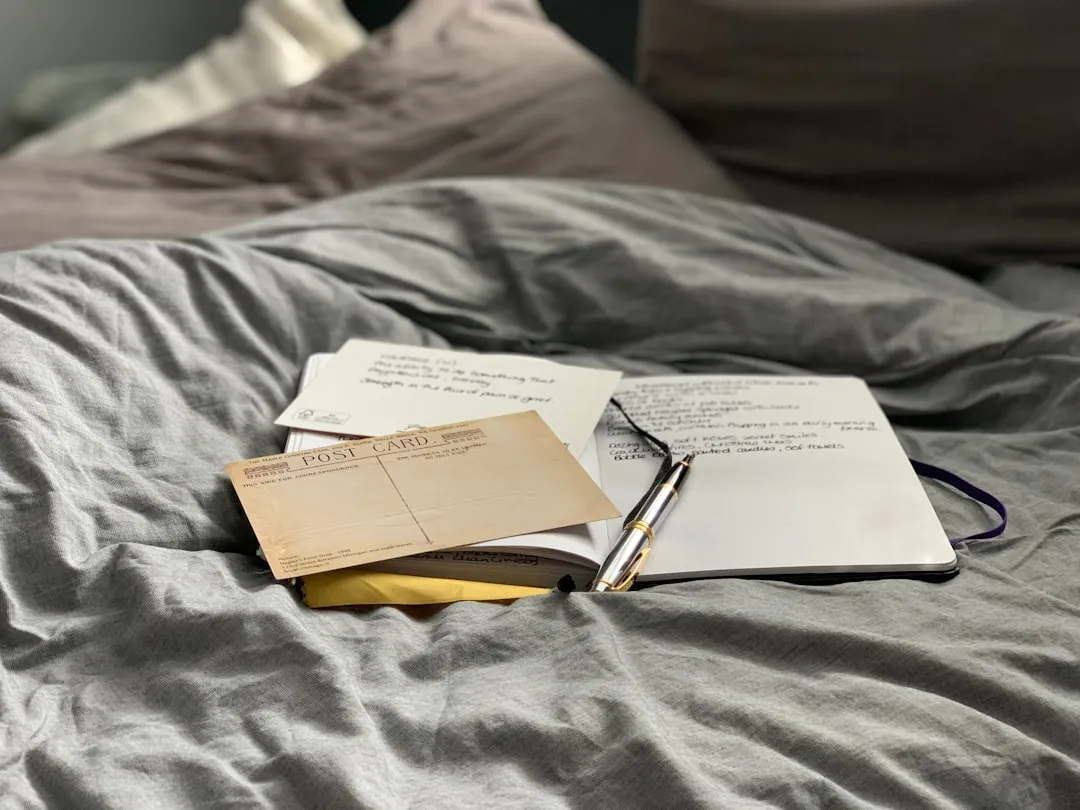
Got a drawer full of receipts, ticket stubs, and random papers you can't throw away? Here's how to turn that "junk" into something surprisingly meaningful. Junk journaling transforms everyday scraps into creative therapy — no artistic skills required. Google searches for this craft spiked dramatically in late December and early January, as people seek hands-on alternatives to endless scrolling. This practice gives your brain a break from screens while creating a tangible record of your life from materials that cost nothing.
What You'll Need
Materials
1 journal base (old notebook, unused journal, or repurposed book)
Paper "junk" (receipts, ticket stubs, maps, packaging, old book pages)
Basic adhesive (glue stick or double-sided tape)
Tools
Scissors
Pens or markers for writing
Small collection box or envelope (for gathering materials)
Safety First
Use non-toxic adhesives if children will be involved
Avoid including materials with personal information (bank statements, etc.)
Adult supervision recommended when using scissors with children
Steps
Set up your collection system. Designate a small box or envelope where you'll collect interesting paper scraps throughout your day.
Gather your first batch of materials. Look for receipts from coffee shops, ticket stubs, interesting packaging, magazine clippings, or maps. As Scrapbook and Journal notes, if it makes you smile or sparks a memory, it deserves a place in your journal.
Choose your journal base. An old notebook works perfectly — Art Beat Box notes that junk journals aren't supposed to be perfect and that straight lines aren't necessary
Start with one page. Don't overthink it — just arrange a few items that caught your eye today. Martha Stewart explains that you don't have to finish a whole page; just add one element that speaks to your day.
Glue items down loosely. Layer different textures and sizes. Unlike traditional journals, junk journals celebrate texture and randomness — pages might be different sizes with torn edges.
Add a quick note. Jot down why you kept this item or what it reminds you of. This turns random scraps into meaningful memories.
Why it works: The tactile, creative process encourages mindfulness by grounding you in the present moment, while helping you find meaning in seemingly insignificant items.
Making It a Daily Habit
The "Scrap-a-Day" approach: Add just one small item daily — a coffee receipt, an interesting leaf, or pretty packaging. This creates a visual diary that grows naturally with your life.
Start treasure hunting: Very Well Mind notes that this practice makes everyday tasks more enjoyable by helping you look for unexpected items. Your grocery run becomes a source for interesting packaging textures.
Keep it sustainable: Martha Stewart emphasizes that junk journaling should focus on reusing materials you already have rather than purchasing new supplies.
Cleanup & Disposal
Store extra materials in your collection box for future use
Keep adhesive caps sealed to prevent drying out
No special disposal needed — everything is recyclable paper
Troubleshooting
Problem: Items won't stick properly → Fix: Use stronger adhesive or layer materials for better grip
Problem: Pages look too cluttered → Fix: Try fewer items per page; white space is okay
Problem: Running out of interesting materials → Fix: Expand your collection to include maps, fabric scraps, or pressed flowers
Variations & Upgrades
Travel journal: Focus on maps, tickets, and postcards from trips
Daily gratitude: Add one item each day that made you smile
Memory keeping: Include photos and handwritten notes about special moments
Themed pages: Dedicate sections to seasons, events, or color schemes
Why This Beats Screen Time
Research suggests that creating arts and crafts can significantly boost public well-being and help with mental health conditions. Unlike social media's pressure to perform, junk journaling has no rules or expectations for perfection — it provides a safe space to explore emotions without judgment.
Each page tells a story not just of what you've included, but of the time you spent creating it, resulting in a keepsake filled with textures, colors, and memories that no store-bought notebook could replicate.
FAQ
Can I use a regular notebook instead of a special journal? Absolutely — any bound book works. The imperfection of repurposing adds to the charm.
What if I'm not artistic? Perfect! My Modern Met notes that you don't need to be a master artist. The name evokes an "anything goes" feeling.
How often should I add to it? As often as you like. Some people add daily, others weekly. Let it grow naturally with your routine.
This analog antidote to digital fatigue proves that sometimes the most meaningful creativity comes from the simplest materials. Your recycling bin already holds everything needed to start trading screen time for something wonderfully, imperfectly yours.










Comments
Be the first, drop a comment!